
Robocalls and unwanted texts pose significant risks to personal information in Texas, driven by fraud, identity theft, and aggressive marketing. The Telephone Consumer Protection Act (TCPA) regulates automated calls, but many residents still face targeting. Key indicators of unwanted texts include lack of consent and generic content. Protecting data exposure reduces targetability; strategies include call blocking, Do Not Call registries, and limiting number sharing. Consulting a lawyer for unwanted texts Texas offers tailored legal guidance on TCPA enforcement, blocking future calls, negotiating damages, and protecting privacy rights against robocallers.
In today’s digital age, personal privacy has become a paramount concern, especially with the rise of unwanted robocalls targeting individuals across the nation. Texas residents, like many others, often find themselves deluged with unsolicited phone calls, a nuisance that can lead to identity theft and fraud. This pervasive issue demands attention, as these automated messages not only disrupt daily life but also pose significant security risks. The good news is that there are measures you can take to protect your information, preventing these robocalls from targeting you. A lawyer specializing in unwanted texts Texas can offer invaluable guidance on navigating this modern-day challenge, ensuring your privacy and peace of mind.
Understanding Robocalls and Their Legal Implications in Texas

Robocalls, automated telephone calls made en masse, have become a pervasive issue across Texas and the rest of the nation. While many robocalls offer valuable services or promote legitimate businesses, an increasing number are associated with fraud, identity theft, and aggressive marketing tactics. In Texas, where consumer protection laws are stringent, understanding the legal implications of these automated calls is crucial for individuals seeking to protect their personal information.
The Telephone Consumer Protection Act (TCPA) regulates robocalls, stipulating that businesses must obtain prior express consent before calling consumers using automatic dialing systems or prerecorded messages. Despite these regulations, many Texas residents continue to face unwanted robocalls daily. These calls can include solicitations for financial products, medical services, or even political campaigns, often targeting specific demographics based on data gathering and profiling. The issue intensifies when personal information is mishandled or used without consent, leading to severe legal consequences.
When faced with excessive or unauthorized robocalls, consulting a lawyer for unwanted texts Texas can provide strategic guidance. Legal experts specializing in telecommunications law can help individuals navigate the complexities of the TCPA and related state laws. They offer advice on blocking calls, seeking damages for violation of privacy, and understanding the legal boundaries surrounding telemarketing practices. With the right legal representation, consumers can take proactive measures to protect their data, prevent further harassment, and even hold responsible parties accountable. Proactive compliance with consumer protection laws is key to mitigating robocall targeting.
Identifying Unwanted Texts: What to Look Out For

Recognizing unwanted texts is a crucial step in protecting your personal information from robocallers. These automated messaging services often target individuals based on their contact details, which can be obtained through various legal and illegal means. One of the first signs of an unwanted text is the absence of consent. If you haven’t explicitly agreed to receive messages from a particular sender, it’s likely spam. Moreover, look out for texts that lack personalization; generic greetings or references to products and services you’ve never inquired about are red flags.
Another telling characteristic is frequency. Spammers often bombard their targets with multiple messages daily, attempting to overwhelm recipients into engaging or providing information. If you find yourself receiving an excessive number of texts from unknown numbers, it’s a strong indicator that your contact info has been compromised and is being used for unsolicited marketing purposes. For instance, a 2022 report by the Federal Trade Commission (FTC) revealed that robocalls accounted for 43% of all consumer complaints related to telemarketing, underscoring the pervasive nature of this issue.
When in doubt, consult with a lawyer for unwanted texts in Texas. Legal professionals specializing in privacy rights can offer tailored advice based on your specific circumstances. They can help you understand your rights under state and federal laws like the Telephone Consumer Protection Act (TCPA), which restricts certain types of automated messaging. Taking proactive measures, such as blocking numbers and registering your phone with Do Not Call registries, is also effective. Remember, staying vigilant and informed about these tactics is essential to protecting your personal information in today’s digital landscape.
Empowering Yourself: Tools to Stop Automated Calls
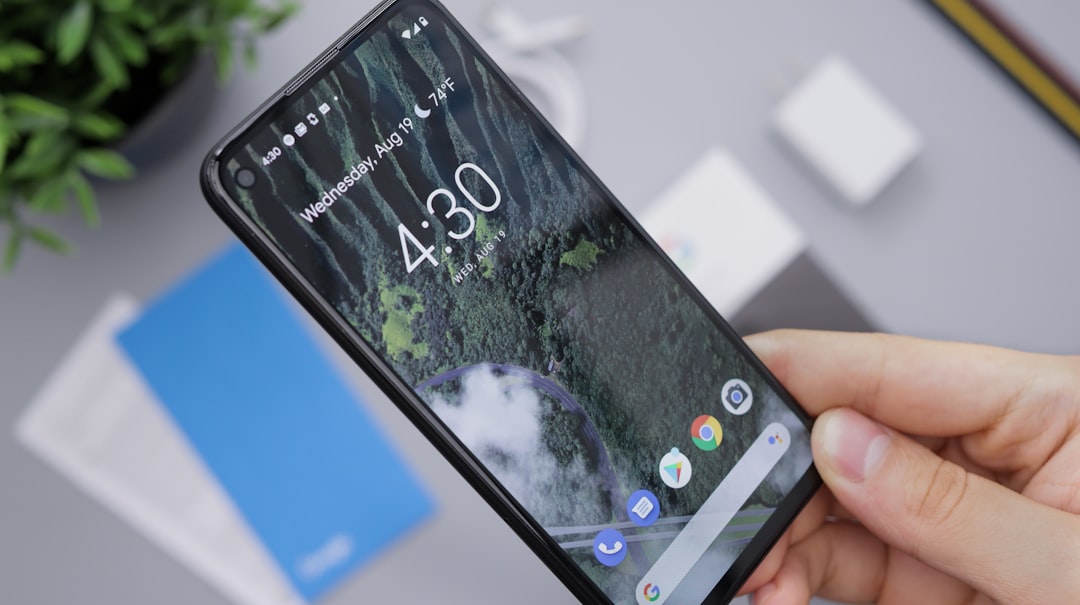
Protecting your personal information is a powerful first step in halting unwanted robocalls and text messages. In today’s digital landscape, where data is a valuable commodity, it’s crucial to be mindful of how you share your contact details. Automated call systems rely on extensive databases, often obtained through various sources, to target consumers. By limiting the exposure of your personal information, you can significantly reduce your chances of becoming a recipient of these intrusive calls and messages.
Empowering yourself to stop automated calls involves understanding and utilizing privacy tools available in your device’s settings. For instance, most smartphones offer options to block numbers or even filter out specific types of calls. You can also consider using call-blocking apps that learn from your preferences and adapt over time. These tools are designed to identify and prevent automated calls, ensuring a quieter, more peaceful communication experience. It’s important to regularly review and update these settings to maintain an effective barrier against robocallers.
If the issue persists or escalates, consulting with a legal expert can provide tailored guidance. A lawyer for unwanted texts in Texas or any other jurisdiction can offer strategies to enforce your privacy rights. They can assist in navigating legal protections against unsolicited communication and help you understand your options if you’ve been a victim of persistent or malicious robocalls or text messages. By combining proactive measures with professional advice, individuals can reclaim control over their communication channels.
The Role of a Lawyer for Unwanted Texts in Texas
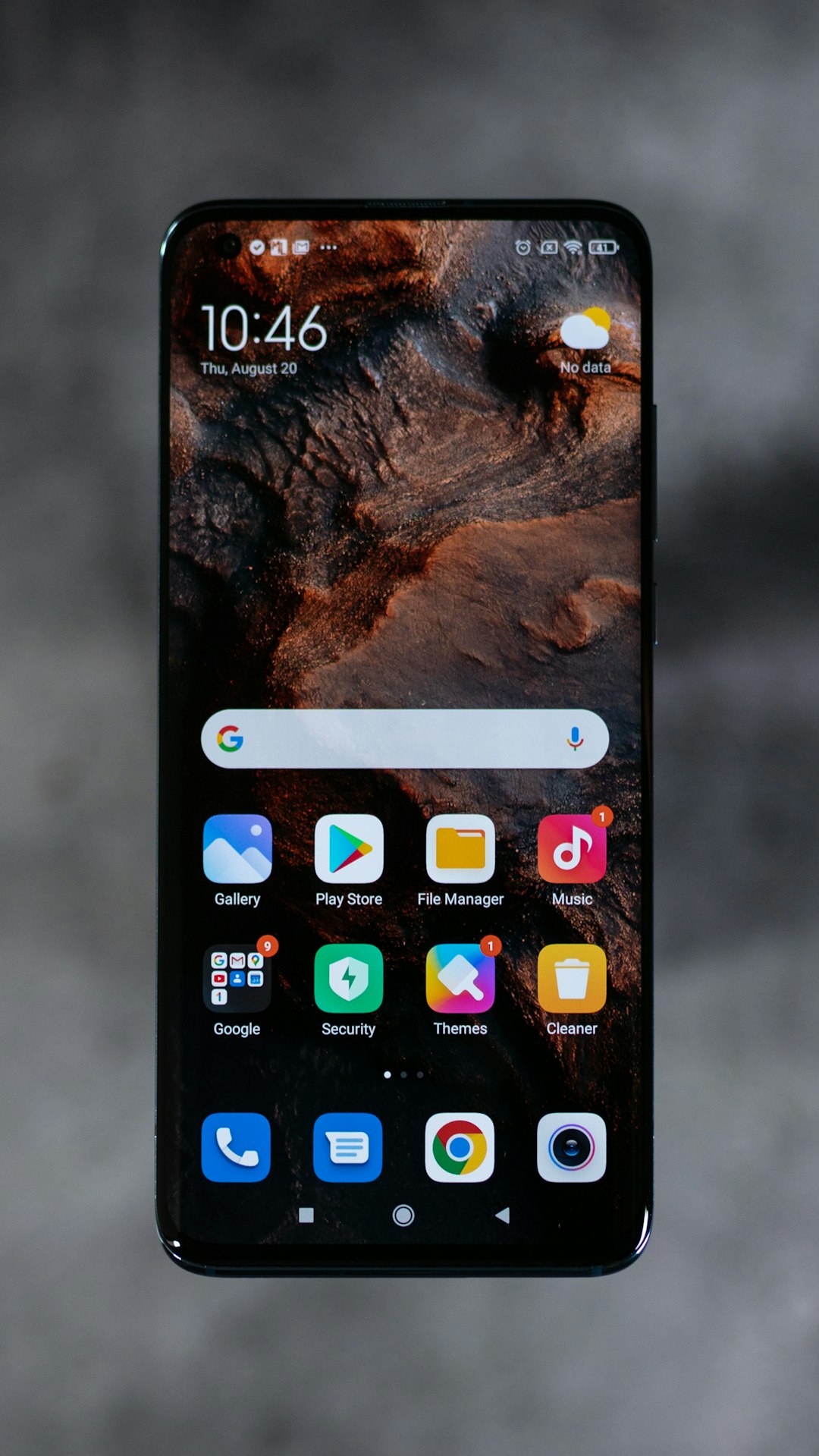
In Texas, as across the nation, unwanted text messages from automated robocallers have become a pervasive nuisance. These calls, often marketing or fraudulent in nature, can be particularly intrusive when they persist despite attempts to opt out. Individuals facing this issue may wonder what legal recourse is available, especially given the complex regulatory landscape surrounding communication technologies. Engaging a lawyer for unwanted texts Texas is one of the most effective strategies to navigate these complexities and assert one’s rights.
Texas laws, like federal regulations, offer protections against certain types of robocall activity. The Telephone Consumer Protection Act (TCPA) establishes rules for automated calls and text messages, including requirements for prior express consent before sending marketing texts. A lawyer specializing in this area can help interpret these laws and determine if a particular case meets the criteria for legal action. For instance, a client might have unwittingly given consent during a promotion but later regretted it, or a business might be blatantly ignoring do-not-call requests, both scenarios where legal counsel can provide clarity and intervention.
The role of a Texas lawyer for unwanted texts extends beyond legal challenges. They offer strategic guidance on blocking future calls, negotiating with call centers, and potentially seeking damages for violation of privacy rights. With the right attorney, individuals can not only stop the deluge of unsolicited messages but also set a precedent to deter similar behaviors in the future. Data from consumer protection agencies underscores the importance of such actions: thousands of complaints annually highlight the widespread problem, demonstrating the need for proactive legal assistance to protect personal information and privacy rights.
Comprehensive Strategies: Protecting Your Privacy Effectively
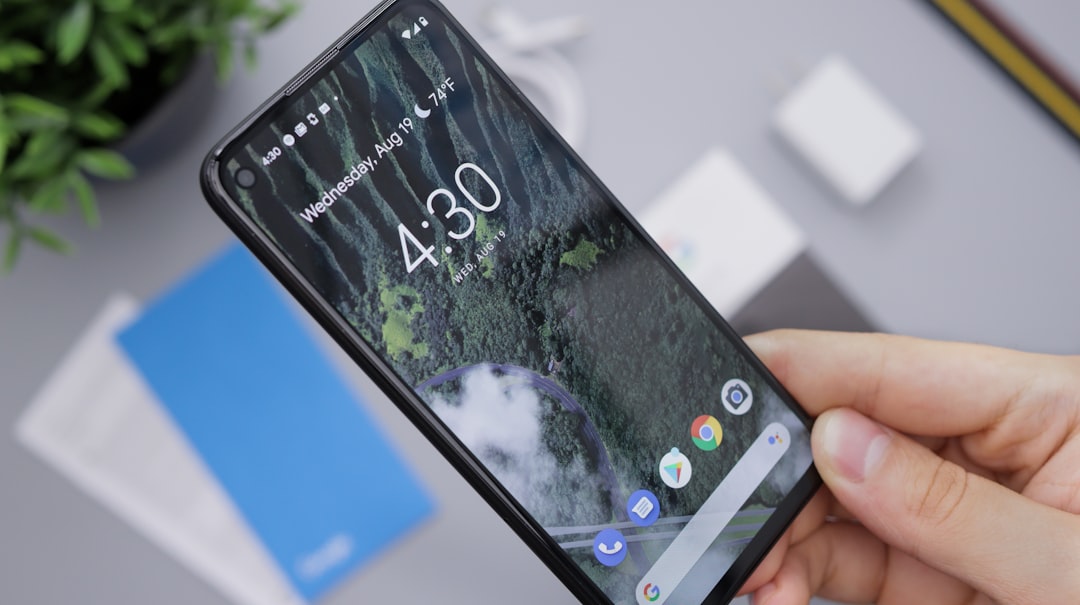
Protecting your personal information is a robust defense against robocallers who target individuals with unwanted texts. In today’s digital landscape, where data is a valuable commodity, taking proactive measures to safeguard your privacy becomes paramount. A lawyer for unwanted texts in Texas or any region can offer specialized guidance tailored to local laws and regulations. These professionals can help you navigate the complex issues surrounding consumer privacy rights and enforcement.
One effective strategy involves limiting the exposure of your phone number. Avoid sharing it openly on social media platforms or public forums, as robocallers often exploit such sources for their databases. Consider using a dedicated line for work-related communications, keeping personal numbers private. Additionally, enable call blocking features and register with Do Not Call lists to restrict automated calls. Many modern smartphones offer advanced privacy settings that allow you to control access to your contacts and block unknown or unwanted callers.
Moreover, be cautious when providing contact information at events or during online transactions. Always check the privacy policies of websites and organizations to understand how your data will be handled. Regularly review app permissions and consider granting only essential access. For instance, a recent study revealed that approximately 75% of Americans regret sharing their personal information online, highlighting the growing awareness of potential consequences. By adopting these comprehensive strategies, individuals can significantly reduce their likelihood of becoming targets for robocalls and protect their privacy effectively.