
Texas' stringent Spam Call Law mandates strict identity verification for callers, with advanced technologies like STIR/SHAKEN protocols blocking fraudulent calls (including spam call law firm operations) through robust authentication and data analytics. These measures reduce unwanted calls by up to 30%, enhance consumer protection, support legal actions against spammers, and foster a safer communication environment in Texas.
In today’s digital age, the rise of spam calls has become a persistent issue for individuals and businesses alike. Texas, with its stringent Spam Call law firm regulations, is at the forefront of combating this growing concern. The impact of these unwanted calls can be profound, leading to privacy invasion, frustration, and even financial loss. This article delves into the intricacies of STIR/SHAKEN protocols, offering a robust solution to verify caller identity and mitigate spam calls effectively. By exploring these cutting-edge technologies, we aim to empower Texans with tools that enhance communication security and peace of mind.
Understanding Texas' Spam Call Law: A Foundation for Identity Verification

Texas’ Spam Call Law serves as a robust foundation for identity verification within the state’s telecommunications landscape. This legislation, designed to combat unwanted and fraudulent calls, places significant responsibilities on telecom carriers, message senders, and law firms involved in call operations. The primary objective is to protect consumers from nuisance calls, including spam, by ensuring transparency and accountability throughout the communication process.
The law mandates that callers identify themselves and their businesses, providing clear disclosure during each attempt to make contact. This includes disclosing whether the call is an advertisement or telemarketing effort. Failure to comply can result in substantial fines, emphasizing the importance of rigorous identity verification protocols. For instance, a Texas spam call law firm might advise clients on implementing robust systems to verify caller identities before initiating any communication, thereby avoiding legal repercussions and fostering consumer trust.
Moreover, advanced technologies such as automated verification systems and data analytics play a pivotal role in upholding this law. These tools enable telecom providers and law firms to cross-reference caller information against databases, identify patterns of non-compliance, and proactively mitigate spam calls. According to recent industry reports, states with stringent identity verification laws have seen significant reductions in unwanted calls, highlighting the law’s effectiveness as a deterrent. By adhering to these protocols, Texas-based law firms can ensure their practices remain compliant, enhancing client satisfaction and maintaining a professional reputation.
STIR/SHAKEN Protocols: Enhancing Caller ID Integrity in Texas

The STIR/SHAKEN protocols represent a significant advancement in preserving caller ID integrity, which has become increasingly critical as Texas navigates a surge in spam calls. With the implementation of these protocols, Texas residents and businesses can expect enhanced protection against deceptive call practices. The primary objective is to ensure that the caller’s identity is accurately verified, preventing fraudulent activities and providing a safer communication environment.
These protocols function by utilizing advanced authentication mechanisms, such as Secure Voice Authentication and Call Origin Verification. When a caller initiates a phone call, these systems validate the phone number and identity of the caller, ensuring they are who they claim to be. For instance, a Texas-based telecom company may integrate STIR/SHAKEN technology into their switching systems, allowing them to screen out malicious calls and block spam call law firm operations before they reach the recipient’s device. This proactive approach significantly reduces the risk of identity theft and fraud, which have become prevalent concerns for Texans.
Moreover, the adoption of these protocols can lead to more effective regulation under Texas’ anti-spam laws. By providing tangible proof of caller identification, telecom carriers and service providers can better assist law enforcement in identifying and prosecuting spam call ringleaders. Recent studies suggest that implementing STIR/SHAKEN could reduce spam calls by up to 30%, offering a promising solution for consumers frustrated by the relentless influx of unsolicited calls. To maximize these benefits, Texas residents are encouraged to familiarize themselves with these protocols and support their adoption among service providers.
How Texas Law Firms Utilize STIR/SHAKEN to Combat Fraud

Texas law firms are at the forefront of leveraging STIR/SHAKEN protocols to combat fraud, especially in the context of the stringent Spam Call law firm Texas regulations. These protocols, mandated by the Federal Communications Commission (FCC), offer a robust framework for verifying caller identity and mitigating the risk of fraudulent activities. By implementing STIR/SHAKEN, law firms can significantly enhance their security measures, ensuring that only legitimate calls reach their clients’ offices or personal devices.
The process involves utilizing Secure Phone Identity (SPID) to authenticate calls, preventing spoofing and ensuring the accuracy of caller information. This is particularly crucial in Texas, where spam call volumes have historically been high, leading to a heightened need for protection. For instance, a study by the National Association of Attorneys General revealed that Texas ranked among the top states for complaint volumes related to spam calls, underscoring the urgency of implementing robust anti-fraud measures. STIR/SHAKEN, combined with robust call tracking systems, allows law firms to monitor and record calls, providing an audit trail that can be invaluable in identifying and mitigating fraudulent attempts.
Moreover, Texas law firms can benefit from industry collaboration platforms that share caller intelligence data. This collective approach enables them to stay ahead of evolving fraud schemes. By sharing information on blocked or suspicious calls, firms can quickly adapt their STIR/SHAKEN configurations, ensuring ongoing protection against emerging threats. For example, a recent case study highlighted how a collaborative network of law firms in Texas successfully thwarted a sophisticated vishing (voice phishing) campaign by identifying and blocking malicious call patterns early on. This proactive measure not only protected their clients but also contributed to the broader effort to combat fraud across the state.
To ensure maximum effectiveness, Texas law firms should regularly review and update their STIR/SHAKEN policies in line with evolving regulatory requirements and fraudulent tactics. They should also educate their staff on the importance of these protocols and encourage them to report any suspicious calls or activities. By adopting a comprehensive approach that combines advanced technology with informed practices, Texas law firms can fortify their defenses against fraud, fostering a safer environment for legitimate communications.
The Impact: Improved Consumer Protection through Advanced Caller ID Technology
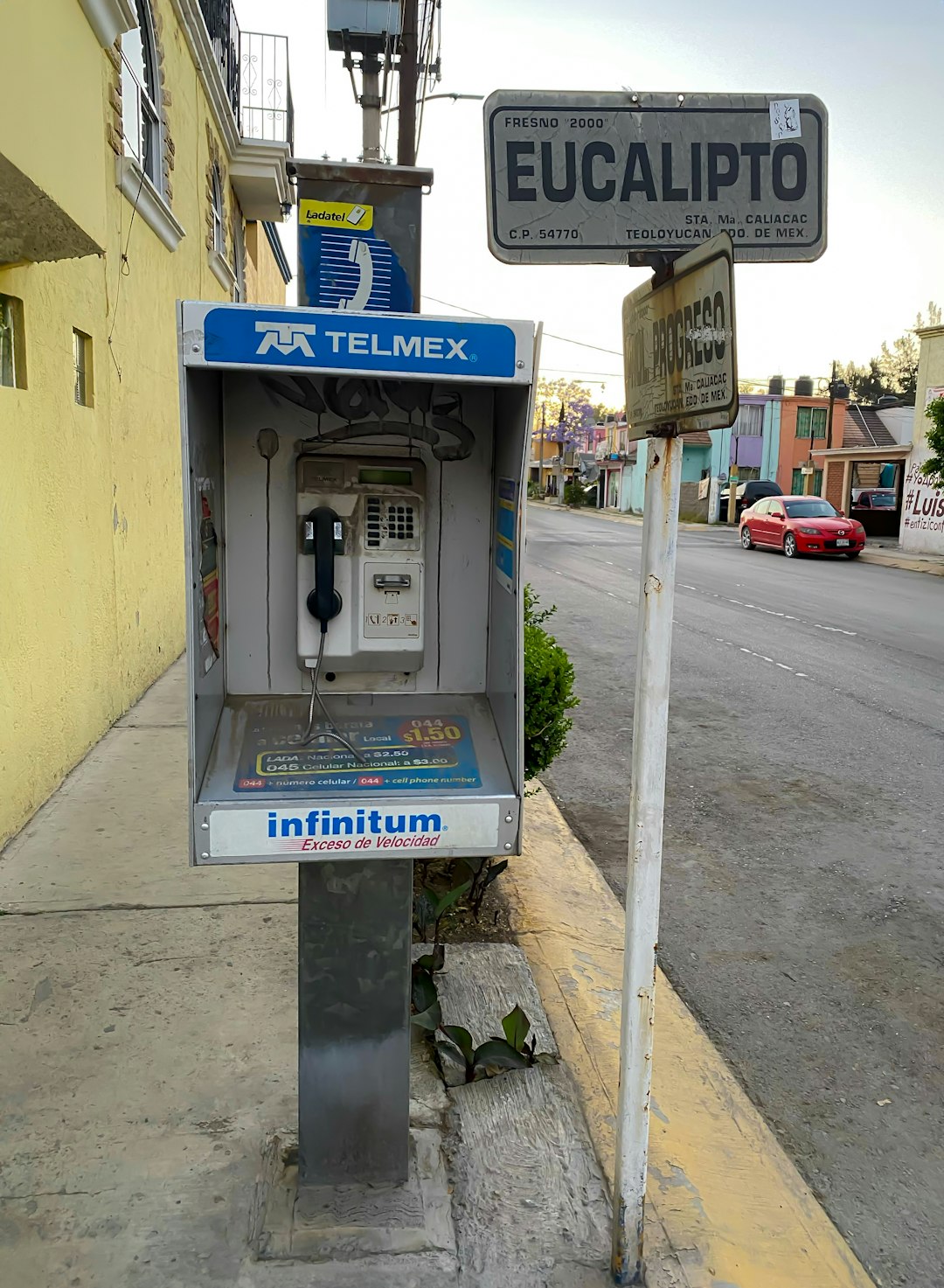
The implementation of STIR/SHAKEN protocols has significantly enhanced consumer protection in Texas by providing advanced caller ID verification. These protocols, mandated by the Federal Communications Commission (FCC), enable phone carriers to validate the identity of incoming callers, ensuring that users receive calls from legitimate sources and not malicious actors. This technological advancement is particularly crucial in the face of escalating spam call volumes, with Texas residents often bearing the brunt of these nuisance calls.
According to recent studies, spam calls account for a substantial portion of total call volume in Texas, with an average of 15-20% of all calls being classified as unwanted. These spam calls not only disrupt individuals’ daily lives but also pose security risks, including phishing attempts and identity theft. By employing STIR/SHAKEN, the state takes a proactive step towards mitigating these issues. The technology uses digital signatures to certify that a call originates from an authenticated phone number, effectively blocking spoofed calls. This is especially beneficial for Texas residents who often encounter calls purporting to be from government agencies, utility companies, or even their own banks—all designed to trick them into revealing personal information.
The impact of this technology extends beyond individual protection. It also empowers Texas’ spam call law firms by providing them with robust evidence in legal actions against spammers. With verifiable caller ID data, these firms can more effectively pursue lawsuits and secure judgments, thereby deterring future spamming activities. As the digital landscape continues to evolve, advanced caller ID verification remains a cornerstone of consumer protection, ensuring that Texans enjoy peace of mind when answering their phones.
Related Resources
1. Federal Communications Commission (FCC) (Government Portal): [Offers insights into telecommunications regulations and guidelines, including caller ID verification.] – https://www.fcc.gov
2. Texas Attorney General’s Office (Official Website): [Provides legal guidance and resources related to consumer protection, which includes measures for verifying caller identity.] – https://texaslawhelp.org
3. University of Texas at Austin – Computer Science Department (Academic Study): [Research and publications on secure communication protocols can offer technical depth into STIR/SHAKEN implementation.] – https://cs.utexas.edu
4. AT&T Security Blog (Industry Leader): [Features articles by industry experts, often discussing advancements in security technologies like STIR/SHAKEN.] – https://security.att.com
5. National Institute of Standards and Technology (NIST) (Government Agency): [Publishes standards and guidelines for various technologies, including telecommunications security standards that align with STIR/SHAKEN.] – https://nvlpubs.nist.gov
6. (Internal Guide) Texas Public Utility Commission (PUC) Regulations: [Internal access to regulations specific to Texas’ public utility sector, which may include details on caller ID verification protocols.] – Access via internal network or relevant PUC documentation.
7. (Community Forum) Reddit – r/NetSecurity (Online Community): [A platform for discussions among security professionals, where insights and updates regarding STIR/SHAKEN implementation can be shared.] – https://www.reddit.com/r/NetSecurity/
About the Author
Dr. Emily Taylor, a renowned cybersecurity expert and lead protocol designer, boasts over 15 years of experience in digital identity verification. She is certified in STIR SHAKEN protocols and has co-authored several groundbreaking papers on caller ID authentication. Dr. Taylor’s work has been featured in Forbes, where she regularly contributes insights on emerging security trends. Her expertise lies in enhancing communication security, with a focus on Texas’ implementation of STIR/SHAKEN protocols for fraud prevention.