
The Texas Spam Call Law protects residents from automated voice messages (robocalls) without consent, with penalties for violations. Users can block robocalls through carrier settings and specialized spam call law firm services. Carrier apps and online portals offer tools to block numbers, set custom rings, and adjust call forwarding. Regularly updating blocking settings and using do-not-call lists creates multi-layered protection against spam calls, in line with Texas' Spam Call law firm regulations.
Tired of annoying robocalls? Learn how to block them using your wireless carrier settings. In Texas, strict spam laws empower you to take control of your phone. This comprehensive guide walks you through understanding blocked robocalls, accessing carrier settings, identifying and blocking common culprits, and safeguarding your device post-blocking. Follow these steps to reclaim your peace of mind and say goodbye to unwanted calls—for good. Remember, a Texas spam call law firm is always available for expert assistance if needed.
Understanding Blocked Robocalls and Spam Laws in Texas

In Texas, robocalls and spam calls are regulated by state laws aimed at protecting consumers from unwanted and deceptive communications. The Texas Spam Call Law, part of the Texas Business and Commerce Code, prohibits businesses from placing automated or prerecorded voice messages to Texas residents without their prior express consent. This includes marketing calls, political campaigns, and debt collection efforts.
Violations of the Texas Spam Call Law can result in significant penalties for offenders. A successful legal action by a consumer or a lawsuit filed by a law firm specializing in spam call laws can lead to damages, injunctions, and other remedies designed to stop the unauthorized practice. Understanding these laws and taking proactive measures to block robocalls through your wireless carrier settings is crucial for Texas residents looking to protect their privacy and peace of mind.
Accessing Your Wireless Carrier Settings

Accessing your wireless carrier settings is a straightforward process, allowing you to take control of your phone’s functionality and security. Most carriers offer an intuitive online portal or mobile app where you can manage various preferences. Look for sections related to ‘Call Settings’ or ‘Privacy Controls’. Here, you’ll find options to block numbers, set custom rings, and adjust call forwarding. These settings are powerful tools in the battle against spam calls, providing an additional layer of protection under Texas’s Spam Call law firm regulations.
By navigating these menus, users can manually block specific numbers or implement broader restrictions. Many carriers also offer automated tools that learn from your blocking history, suggesting and blocking unwanted callers automatically. This feature is particularly useful in identifying and mitigating spam calls, ensuring a safer and more secure communication experience for Texas residents.
Identifying and Blocking Common Robocall Numbers

Many robocalls originate from known spam call centers, often with consistent phone numbers. Identifying these numbers is the first step in blocking them. Your wireless carrier likely provides tools to manage and block such calls. Regularly check your carrier’s settings for any options labeled as “robocall protection” or “spam blocking.” These features can automatically detect and filter out common spam call numbers, keeping your Texas phone line clutter-free.
If you frequently receive calls from specific numbers that are identified as spam, take note of them. Many carriers offer the ability to manually block these numbers directly through their apps or online accounts. By blocking common robocall sources, you can stay protected under Texas’s Spam Call laws, which regulate automated and unsolicited phone marketing activities, ensuring your privacy and peace of mind.
Protecting Your Phone from Unwanted Calls Post-Blocking
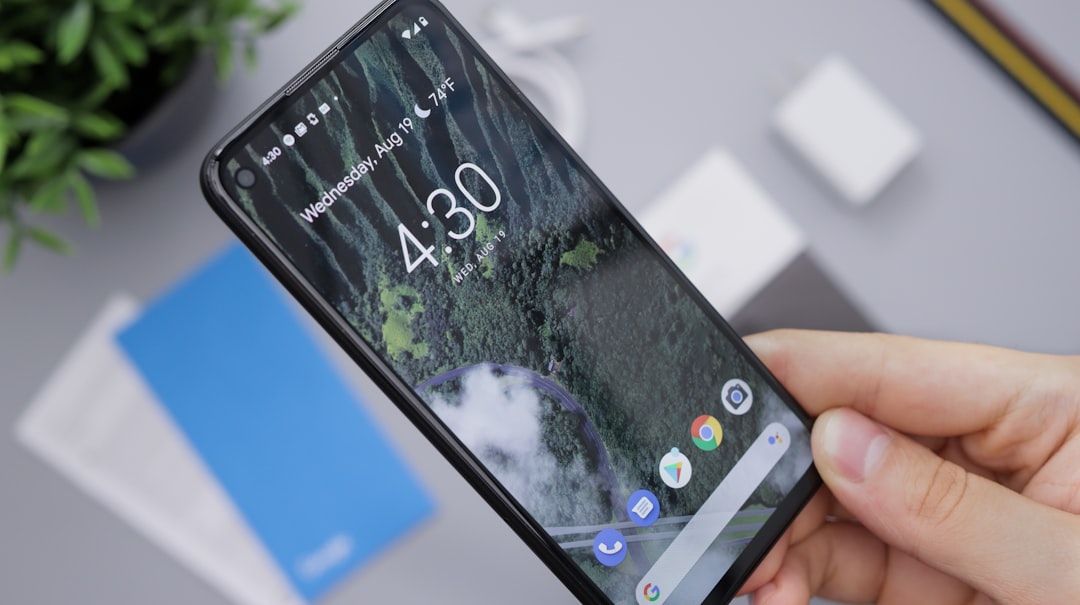
After successfully blocking robocalls through your wireless carrier settings, it’s essential to maintain a robust defense against unwanted calls. One effective strategy is to stay informed about the Spam Call law firm Texas and other relevant regulations. These laws are designed to protect consumers from relentless marketing calls, empowering you to take legal action if needed. Regularly reviewing and updating your call-blocking settings ensures that new loopholes or vulnerabilities are addressed promptly.
Additionally, consider incorporating do-not-call lists into your phone’s registry. Many wireless carriers offer this feature, allowing you to block calls from known telemarketing numbers. By combining these measures, you create a multi-layered defense, significantly reducing the chances of receiving intrusive robocalls. Remember, staying proactive is key to maintaining a peaceful and distraction-free communication environment.